Grown-Up Goals. Kid-Sized Joy.
Learning in disguise.
Room Decor
Creating a preschool room is a delicate balance. You want a space that is vibrant enough to spark imagination, but organized enough to prevent "sensory overload" (which we all know can lead to the dreaded pre-nap meltdown).
Creating a World of Wonder: The Ultimate Guide to Preschool Room Decor
The best preschool environments feel like a giant hug. They are spaces where children feel safe to take risks, get messy, and discover who they are. When decorating a preschool classroom, the goal isn't just "cute"—it’s functional inspiration.
1. The "Anchor" Areas: Defining the Space
Preschoolers thrive on routine and boundaries. Use your decor to "zone" the room so children instinctively know what happens where.
The Reading Nook: Think soft textures. Use a plush rug, oversized floor pillows, and low-slung bookshelves.
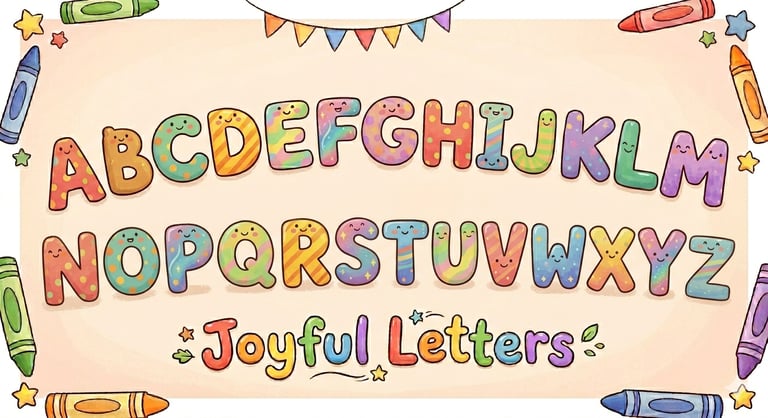
Decor Tip: Hang words across the wall to celebrate literacy.
The Maker Station: This is the messy zone! Use easy-to-clean surfaces and open shelving with clear bins.
Decor Tip: Label everything with both a word and a picture to help pre-readers find what they need.
The Calm-Down Corner: A small, semi-private space with muted colors (pale blues or greens), a weighted blanket, and sensory bottles.
2. Color Theory: Energy vs. Focus
While it’s tempting to use every primary color in the crayon box, too much "visual noise" can be distracting. Not all locations have separate areas for active play, learning or resting, so you need to choose colors wisely.
Zone Recommended Colors Why?
Active Play: Yellows, Oranges, Reds Stimulates energy and social interaction.
Learning Centers Greens and Soft Blues Promotes focus and reduces anxiety.
Sleeping/Rest Lavenders and Earth Tones Naturally lowers the heart rate and signals "quiet time."
3. The Power of "Child-Height" Decor
If you have to crane your neck to see a masterpiece, it’s too high!
Eye-Level Galleries: Hang student artwork at the children's eye level (usually about 3 feet off the ground). This builds self-esteem and a sense of ownership.
Interactive Walls: Use felt boards or magnetic strips where children can move letters or shapes around.
Mirror, Mirror: Safety mirrors at floor level allow toddlers to observe their own expressions and body movements, which is huge for social-emotional development.
4. Bringing the Outdoors In
Nature has a grounding effect on high-energy classrooms.
Live Greenery: Low-maintenance plants like Spider Plants or Pothos (kept out of reach) improve air quality. Research live plants for safety risks. Poinsettias are dangerous.
Natural Materials: Substitute plastic bins for wicker baskets and metal trays for wooden ones.
Light Filtration: If you have harsh fluorescent lights, use blue or cloud-patterned light filters to soften the "interrogation room" vibe.
"They just see play. You see progress."
The secret to a great preschool room is that the learning is hidden in the fun. Every poster, rug, and bin is a tool for growth.
Checklists for a Safe & Joyful Room
[ ] Furniture Bolted: All heavy shelves are secured to the wall.
[ ] Clear Sightlines: Teachers can see every corner of the room from any vantage point.
[ ] Inclusion: Do the posters and books reflect diverse families, cultures, and abilities?
[ ] The 50% Rule: Leave at least 50% of your wall space blank. Visual "white space" helps children process the information that is there.
Ready to start decorating? Whether you're starting with your first classroom or a full-room renovation in a preexisting classroom, remember: if the children feel loved in the space, you’ve already won.
Links to safety items:
outlet covers, invisible outlets, furniture secure,